Built for the team that has to defend the number,not just report it.

NODE40 Bedrock gives finance, tax, and audit stakeholders one shared, governed source of truth for digital asset treasury reporting.

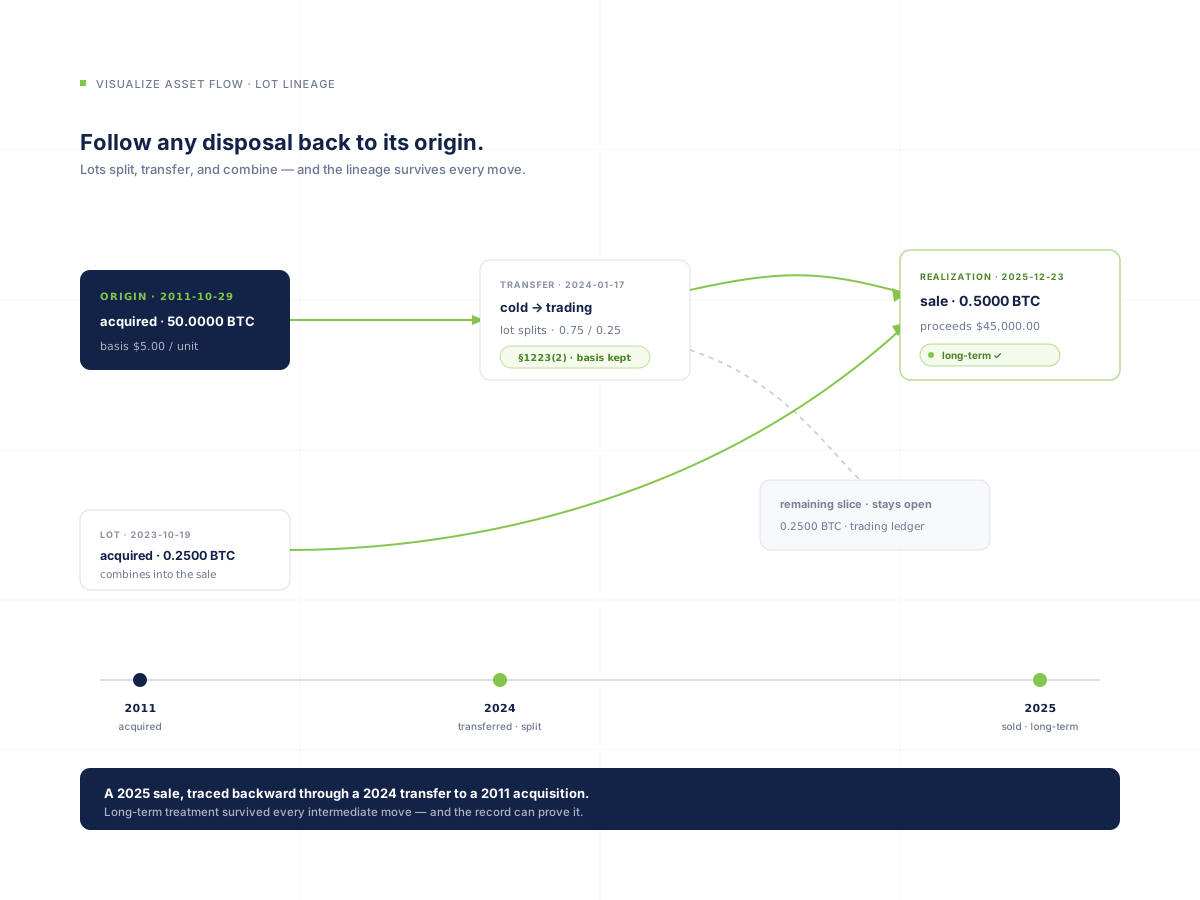
Bedrock asset flow view tracing a treasury sale backward through transfers to its original acquisition, preserving basis and holding period.

For finance: a treasury ledger that reconciles itself
For finance: a treasury ledger that reconciles itself
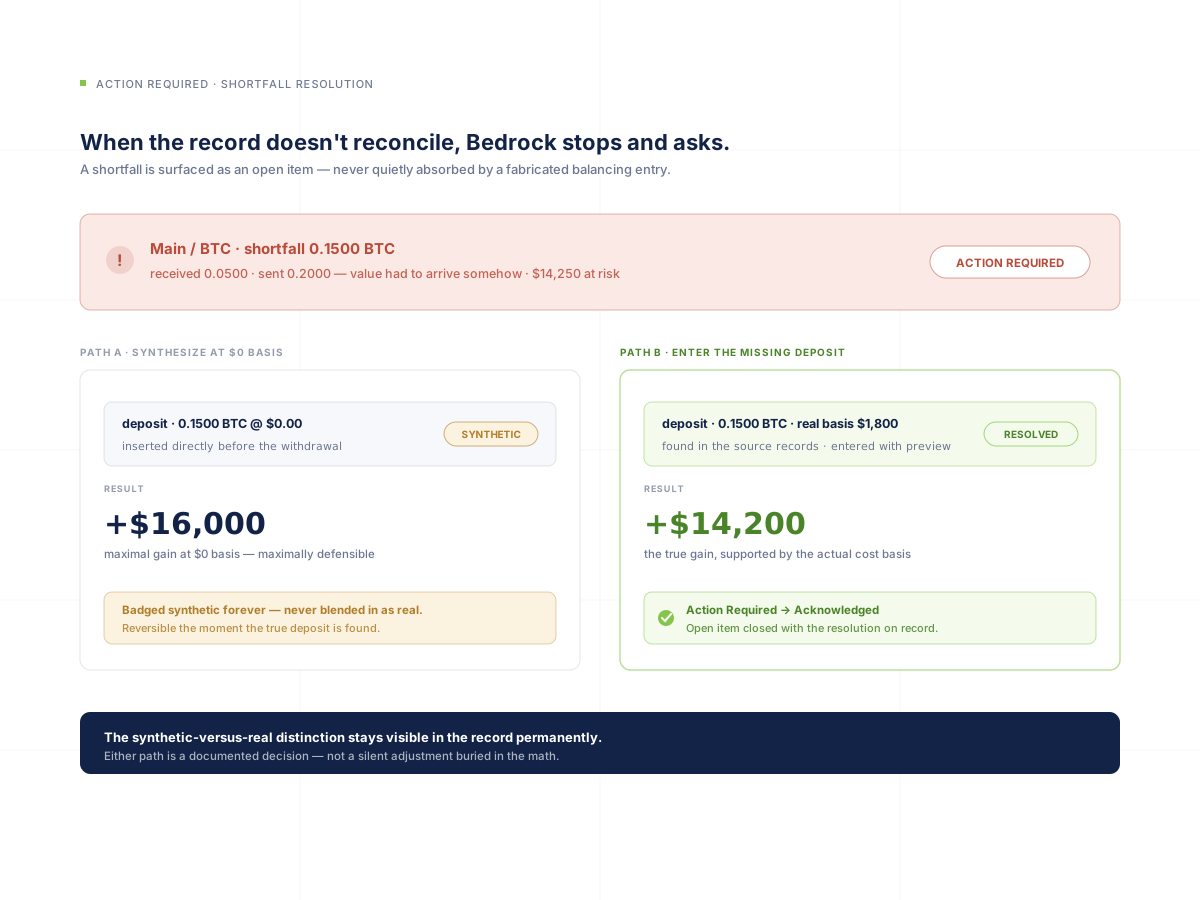
Feeds and imports roll straight into ledgers organized by wallet and asset, with balances that stay reconciled as new data arrives. When something doesn't add up, whether a shortfall or an unclassified deposit, it's surfaced as an action item rather than buried in a spreadsheet reconciliation at quarter-end.

For tax: lot selection as a strategy, not a default

For tax: lot selection as a strategy, not a default

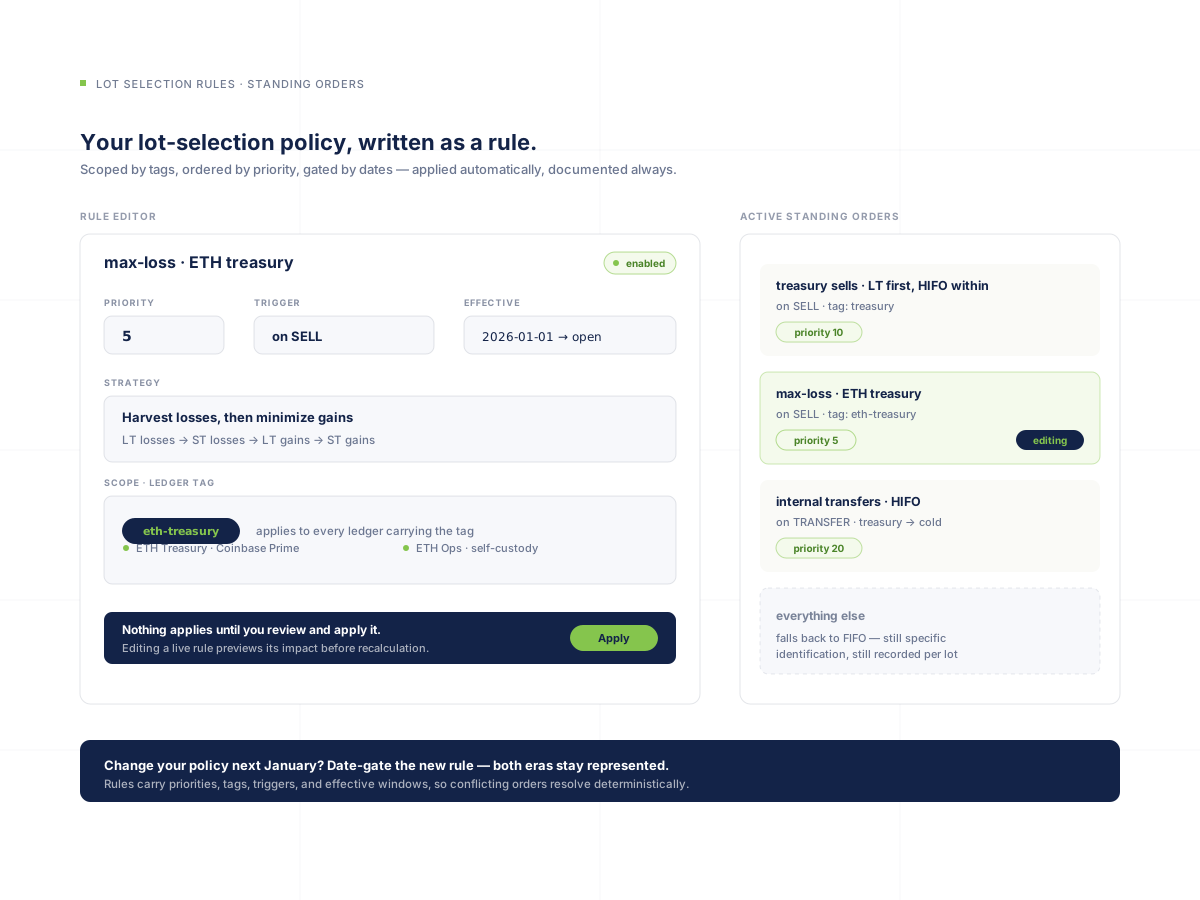
Every disposal can be governed by documented, rule-based lot-selection policy instead of a fixed platform default. The same ETH sale moved from a $3,550 gain to a $1,400 loss purely through a scoped, rule-based policy, with the full before-and-after visible and attributable, so tax positions are chosen deliberately and can be explained line by line.

Explore Lot Intelligence

For audit: attribution on everything, always

For audit: attribution on everything, always

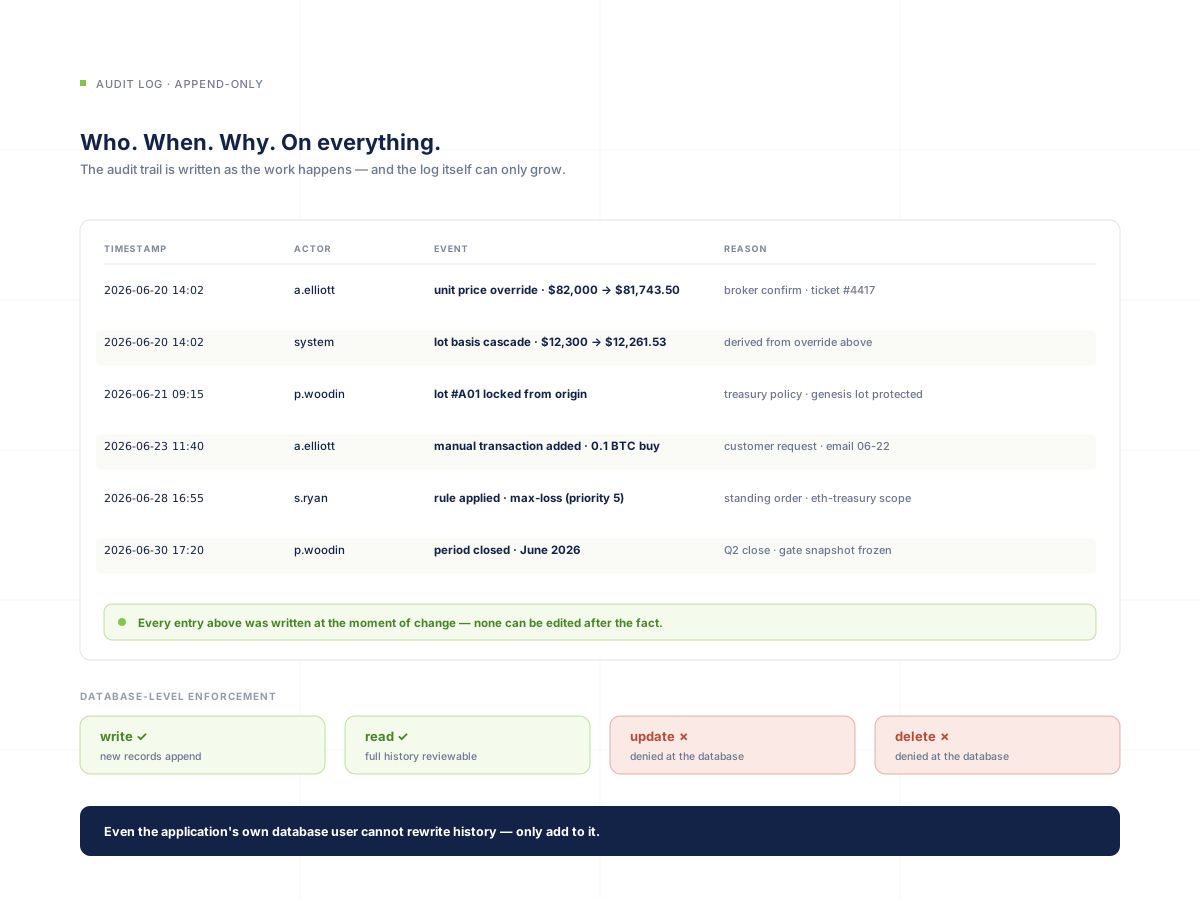
Tags, notes, overrides, manual entries, and lot reassignments are all logged with a reason at the point of change. A protected "origin" lot can be locked so no standing rule can ever touch it. Closed periods are enforced boundaries. The audit trail isn't a report generated after the fact. It's built into how the data is handled from the start.

Explore Audit & Governance

One record, three perspectives

One record, three perspectives

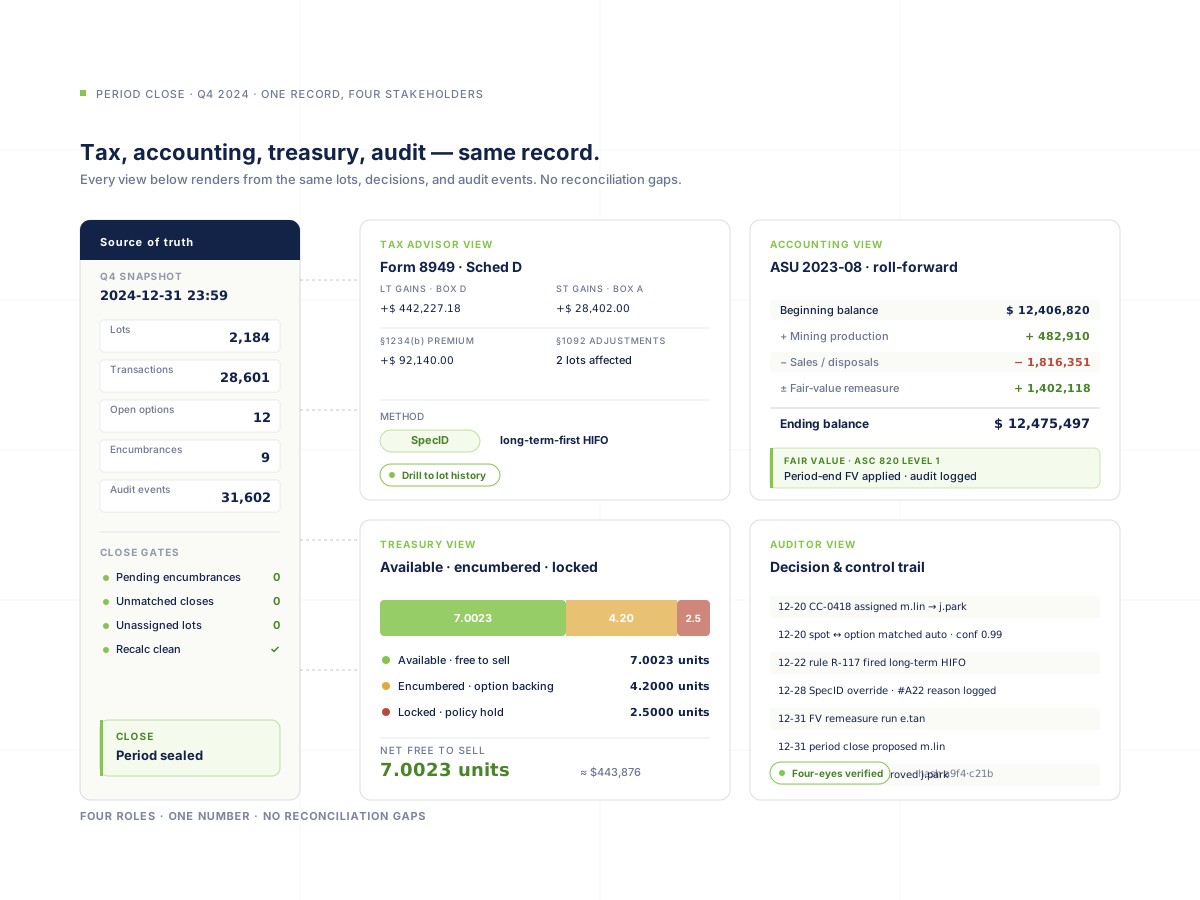
Because finance, tax, and audit are all working from the same underlying ledger and decision history, there's no reconciling three separate versions of "what happened," just one governed record that each team can interrogate from their own angle.

Reports come from that same record: gain/loss and reconciliation views on screen, professional PDF financial reports, or Excel workbooks with lot-level cost basis and proceeds detail. The reconciliation report is an internal-consistency check by design. If the record balances, it shows it; if data is missing, the gap is visible instead of papered over.