A defensible financial record for digital asset treasury

NODE40 Bedrock helps treasury and finance teams turn counterparty data, derivative activity, and reporting workflows into a controlled financial record.

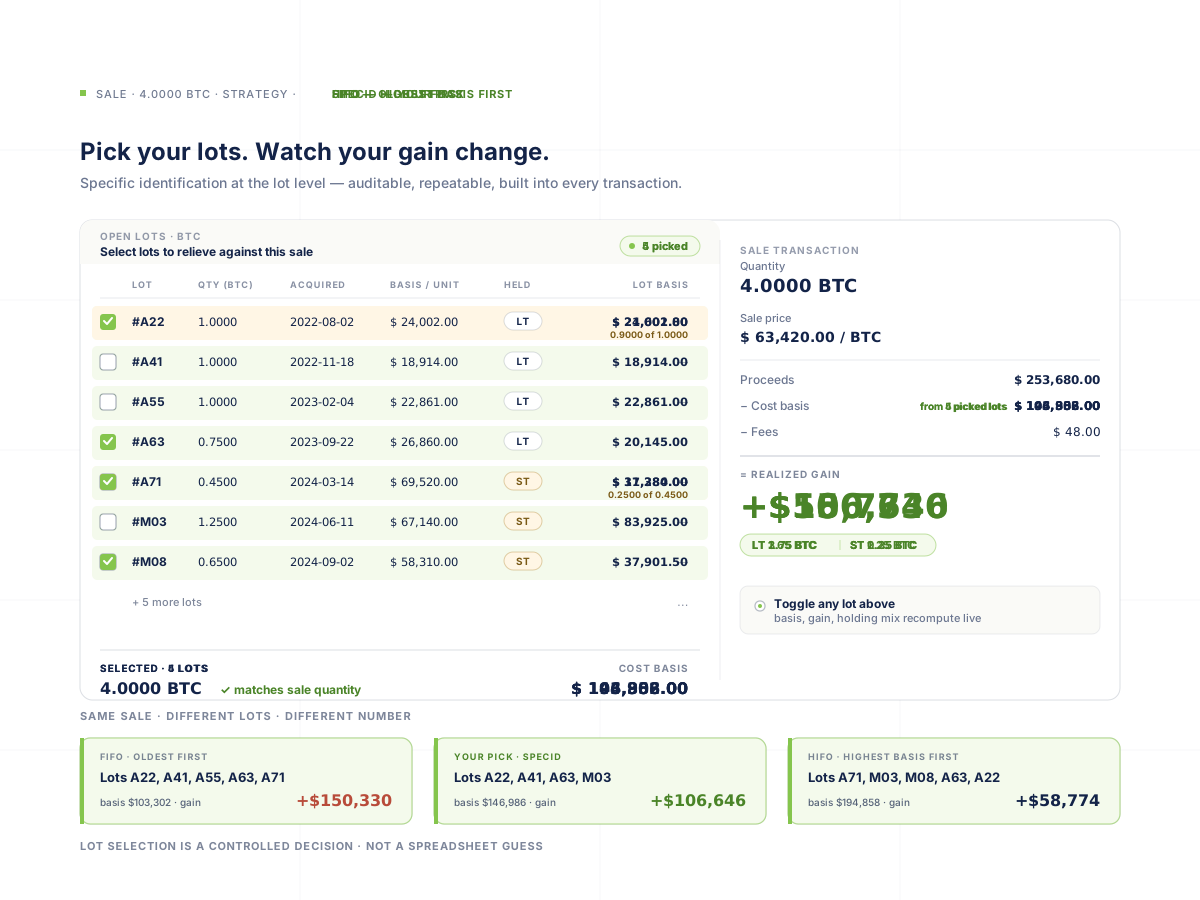
Bedrock interface showing available lots selected for a treasury sale and the realized gain changing based on lot selection.

Why this matters now

Why this matters now

Digital asset treasury companies are under pressure to generate yield without creating reporting, tax, or controls exposure they cannot defend later. The more sophisticated the strategy becomes, the more the business depends on a record that can explain what happened, what decision was made, what treatment was applied, and what evidence supports the result. If that record breaks, the problem is not just cleanup. It can become a controls issue, an audit issue, a public-filing issue, a diligence issue, or an existential business risk.

The balance is not the hard part

The balance is not the hard part

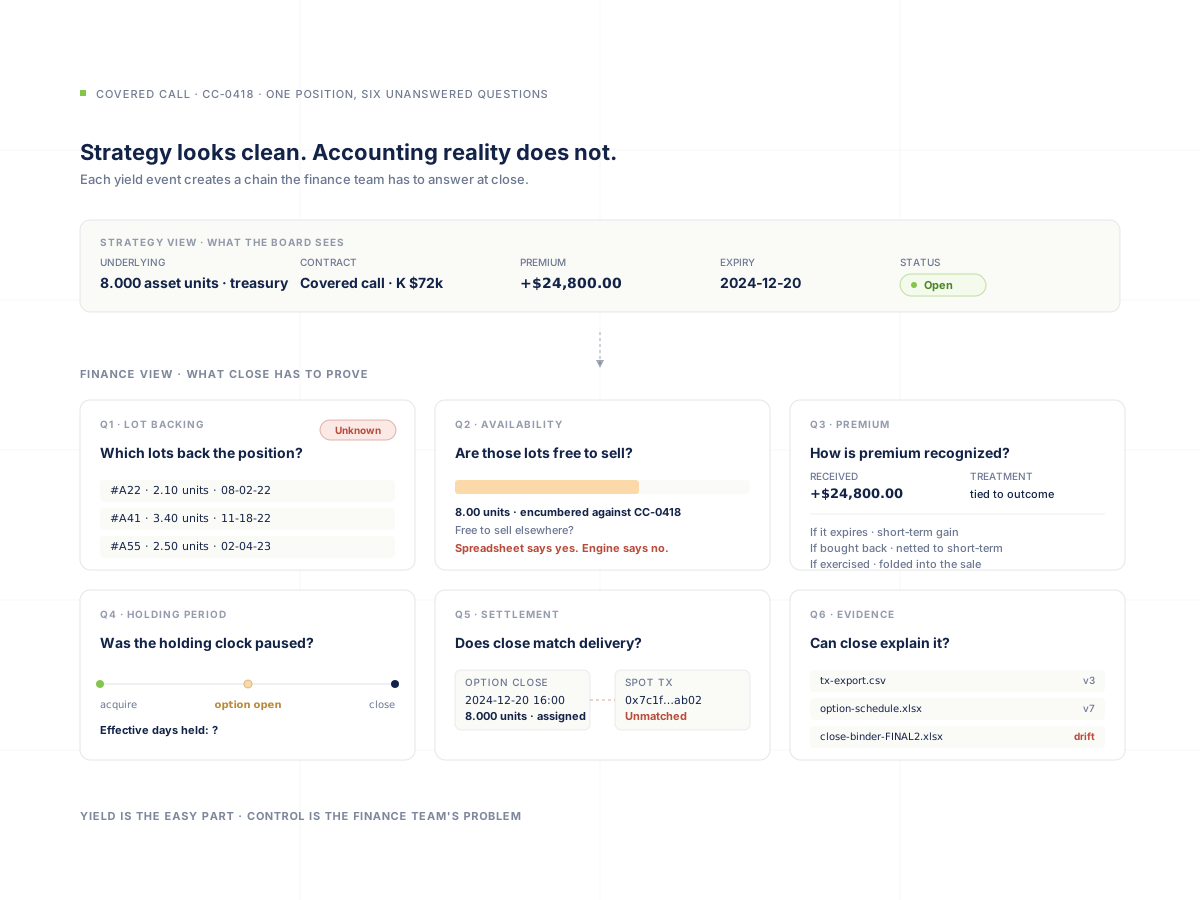
Treasury teams can usually show a balance. The harder problem is proving the financial story behind it. Which lot was tied to which strategy? Which treatment was selected? Which advisor decision shaped the calculation? Which evidence supports the number? Which restriction, encumbrance, or derivative position changed what the business could do next? That is where treasury reporting becomes a control problem.

Why existing approaches break

Why existing approaches break

Dashboards, exports, tax workpapers, wallet histories, and advisor explanations each capture part of the story. The problem is that none of them preserves the full chain of decisions, calculations, evidence, and treatment needed for treasury, accounting, tax, and audit review.

Generic tools can capture activity, but treasury teams need to defend interpretation. When yield strategies involve derivatives, counterparty data, tax positions, and changing guidance, rigid workflows break at the point where judgment matters most. The unsupported edge cases do not disappear. They move into spreadsheets, email threads, manual reconciliations, and expensive review cycles.

What treasury needs

What treasury needs

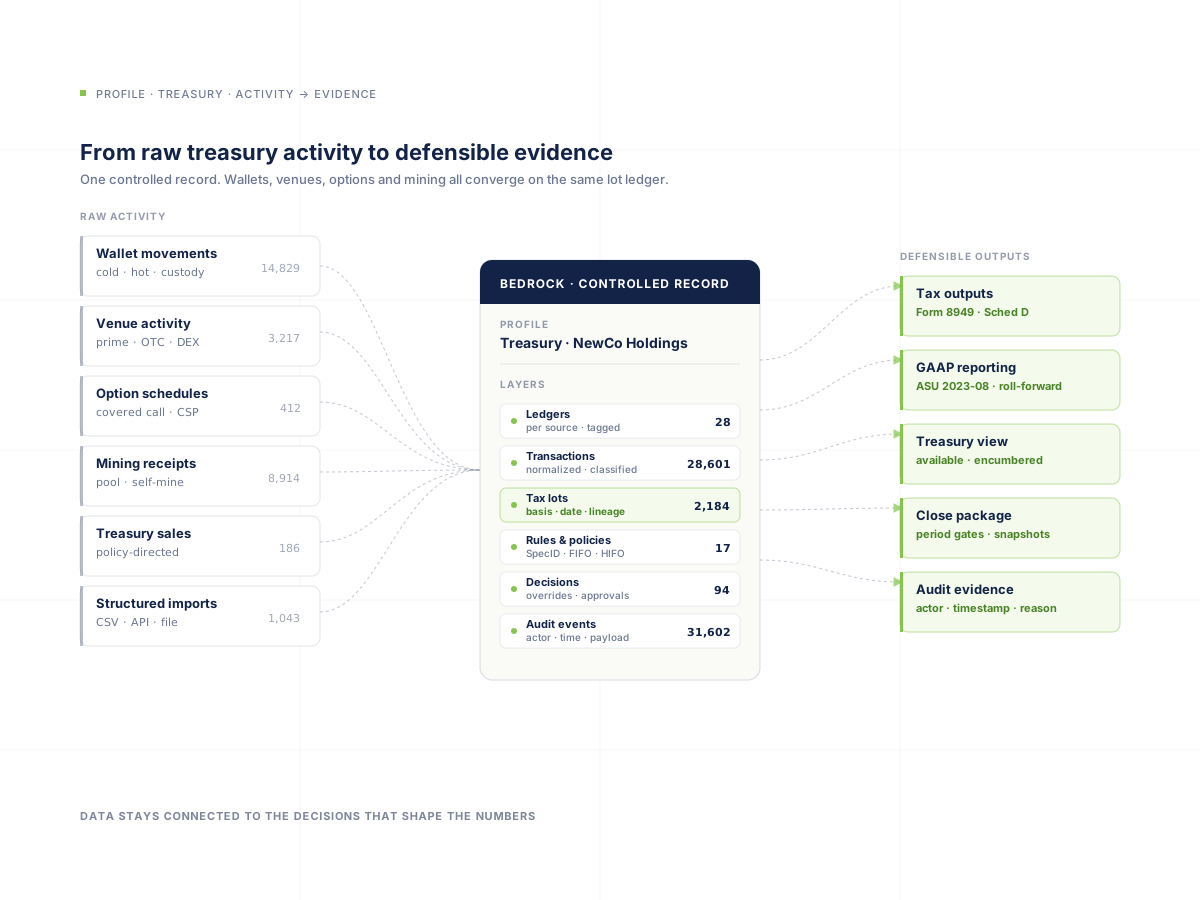
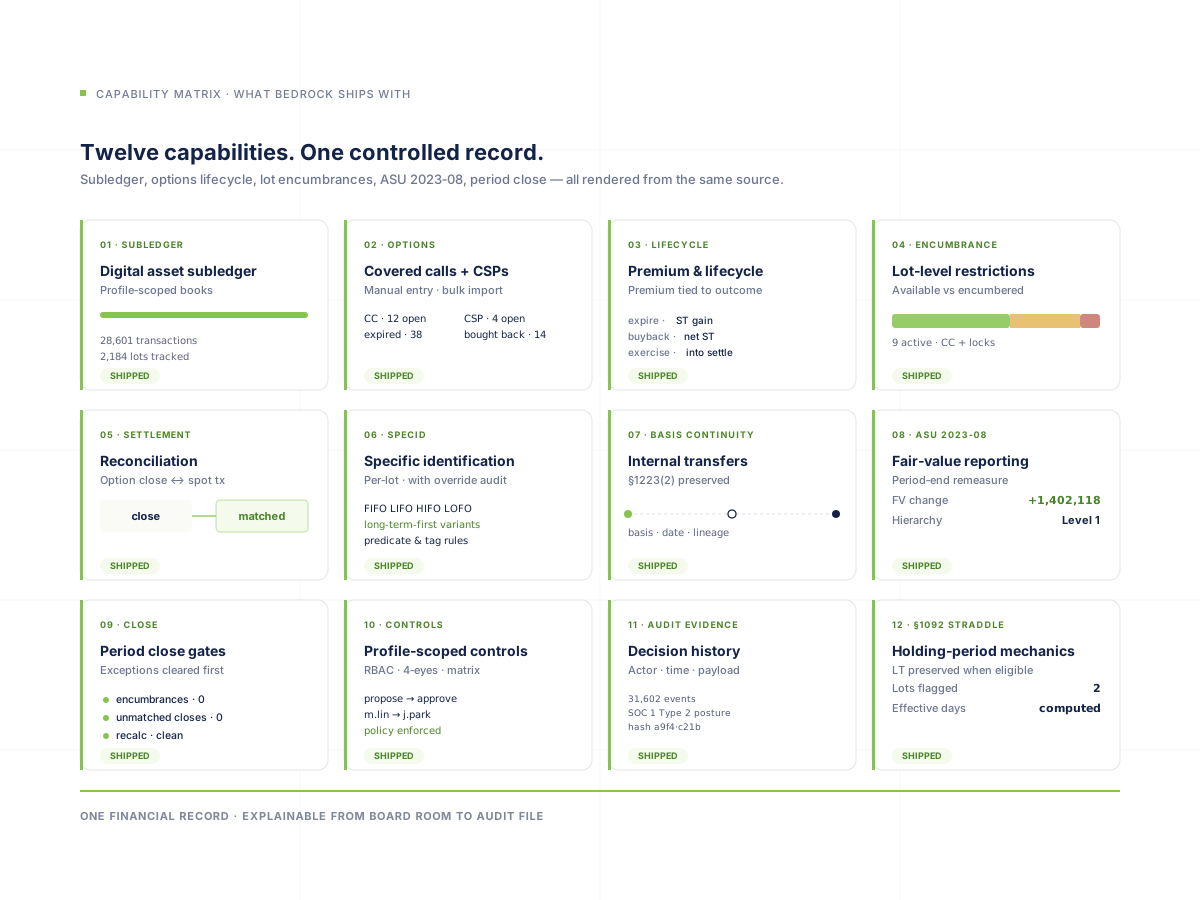
Treasury needs a record that can preserve both activity and judgment. Bedrock connects counterparty data, derivative activity, lots, basis, restrictions, treatment decisions, calculation logic, reporting outputs, and supporting evidence. That gives finance, tax, accounting, and advisors a shared record to work from when the question is not just what happened, but why the treatment was selected and whether the organization can support it.

  • Counterparty data
  • Derivative activity
  • Lots, basis, and holding periods
  • Restrictions and encumbrances
  • Treatment decisions
  • Calculation logic
  • Reporting outputs
  • Audit evidence

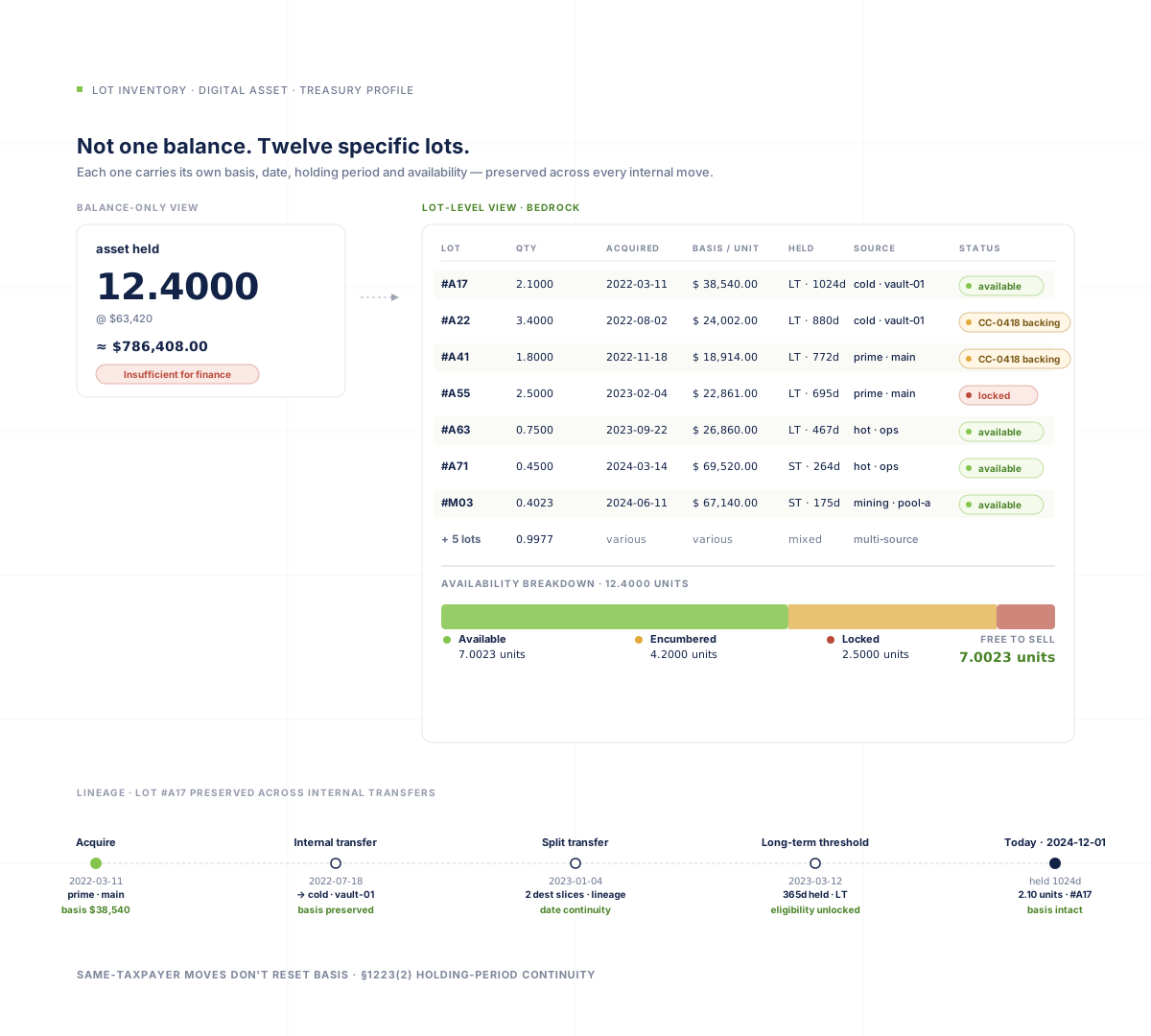
Lot identity is the foundation

Lot identity is the foundation

Treasury reporting is lot-state reporting. A balance without lot identity cannot support defensible tax, accounting, transfer, sale, derivative, or audit conclusions. Bedrock preserves quantity, basis, acquisition date, holding period, source context, transfer lineage, availability, restrictions, and treatment history so the financial record survives the complexity of treasury activity.

Yield strategies change what is available

Yield strategies change what is available

Yield strategies can change what inventory is actually available. A covered call, cash-secured put, policy restriction, pending review, or other encumbrance can alter how a lot should be treated, reported, or used. Bedrock makes those conditions visible and connected to the underlying record so treasury decisions do not outrun the reporting record that has to support them.

Written options need connected controls

Written options need connected controls

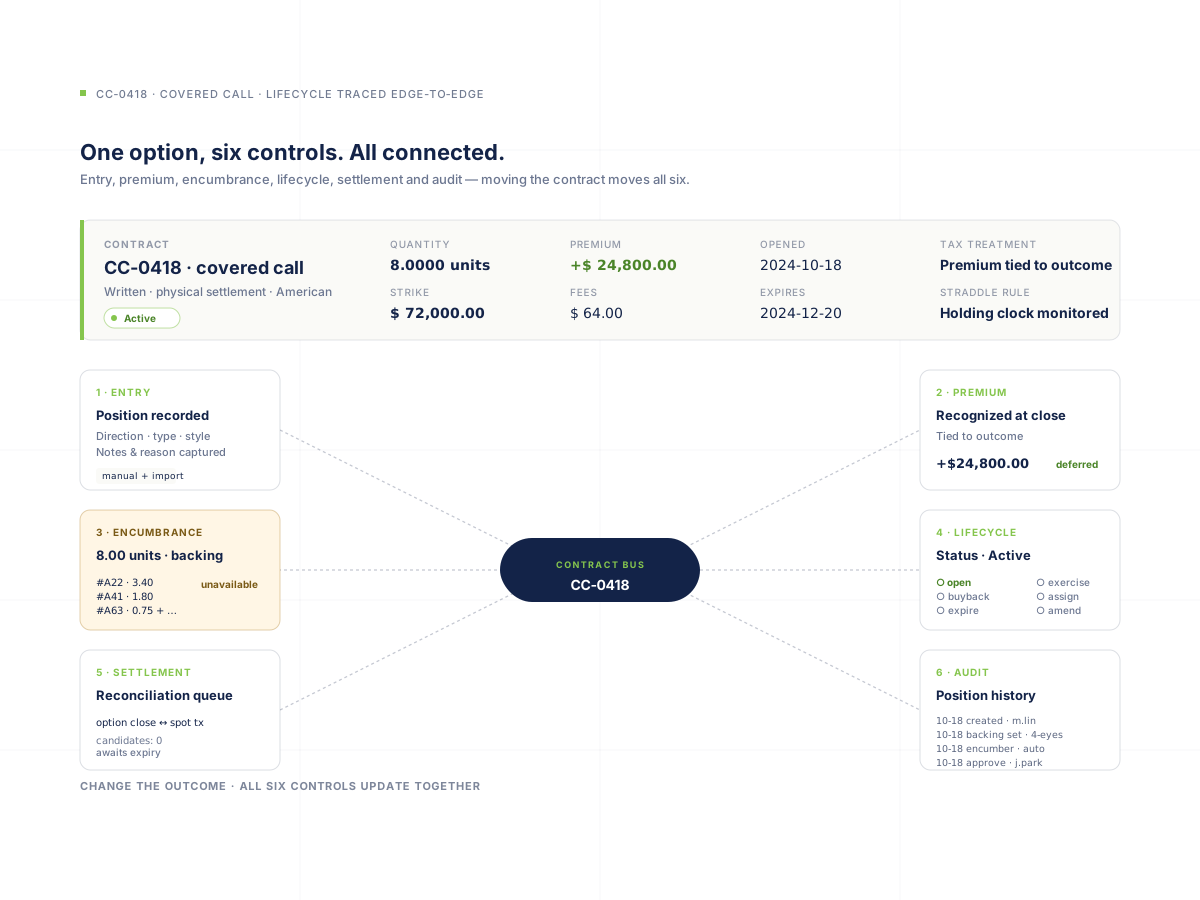
Covered calls and cash-secured puts are not just schedule items. They can affect lot availability, premium treatment, lifecycle status, settlement, tax position, and later review. Treasury teams need to preserve which lots were assigned, which lots were delivered, which treatment was selected, and what evidence supports the resulting calculation.

Bedrock supports written option workflows by connecting the position, the lot record, the selected treatment, the calculation logic, and the audit trail. That matters when treatment depends on transaction facts, advisor judgment, and a client-selected position rather than a single out-of-the-box rule.

Reporting from the same record

Reporting from the same record

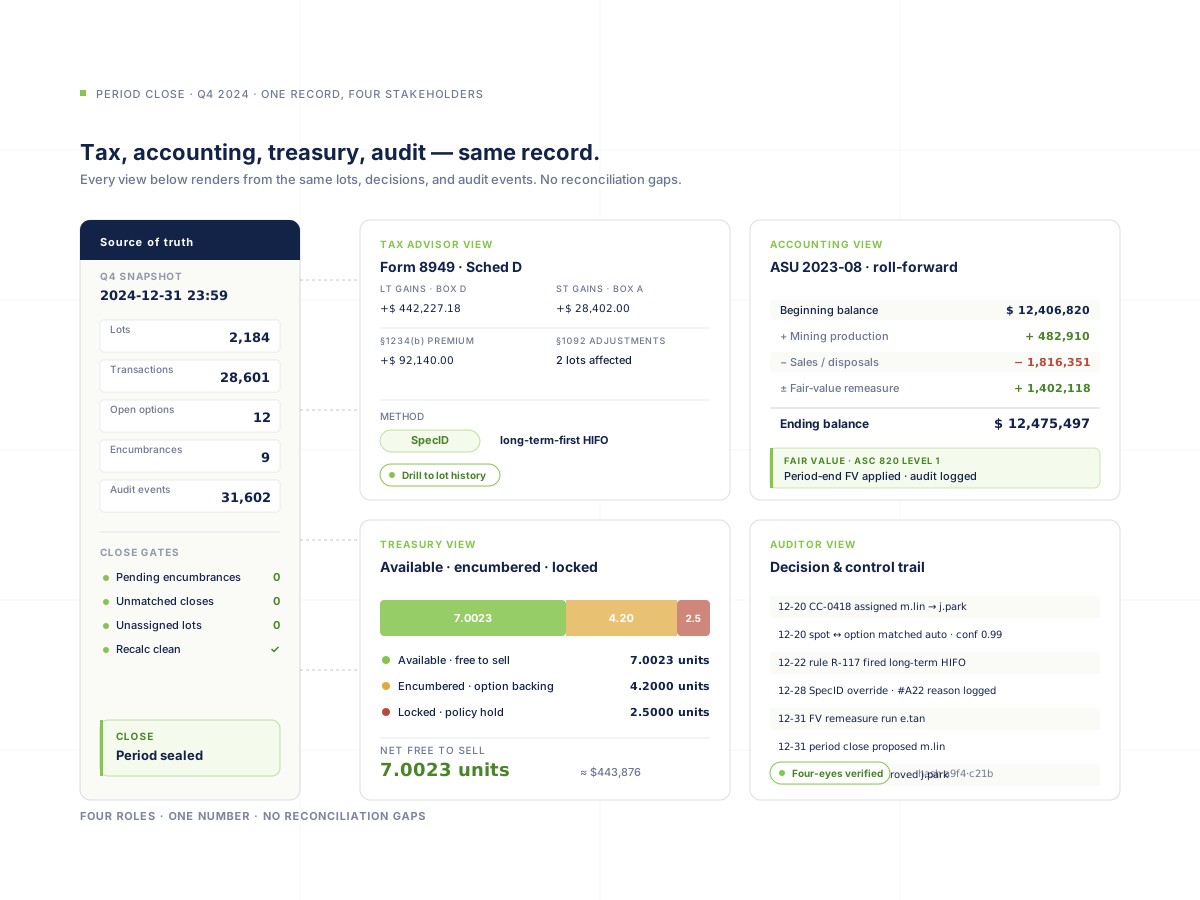
Treasury, tax, accounting, advisors, auditors, and executives should not each be rebuilding a different version of the same story. Bedrock gives them a shared record that connects source activity, decisions, calculations, and evidence. That matters when auditors ask for support, when advisors revisit treatment, when leadership evaluates risk, or when diligence teams test whether the reported numbers can be trusted.

Why NODE40

Why NODE40

NODE40 is built for deterministic, audit-ready digital asset reporting. Bedrock extends that discipline into treasury financial control by preserving the record behind complex activity, selected treatment, advisor judgment, and reported outputs. The advantage is not another dashboard. It is a financial record that treasury teams can explain, review, and defend as strategies evolve.

  • Reconstructs financial meaning from complex activity
  • Preserves lot identity and lineage
  • Connects treatment decisions to calculation logic
  • Produces defensible reporting outputs
  • Supports audit-ready review
  • Fits institutional treasury workflows