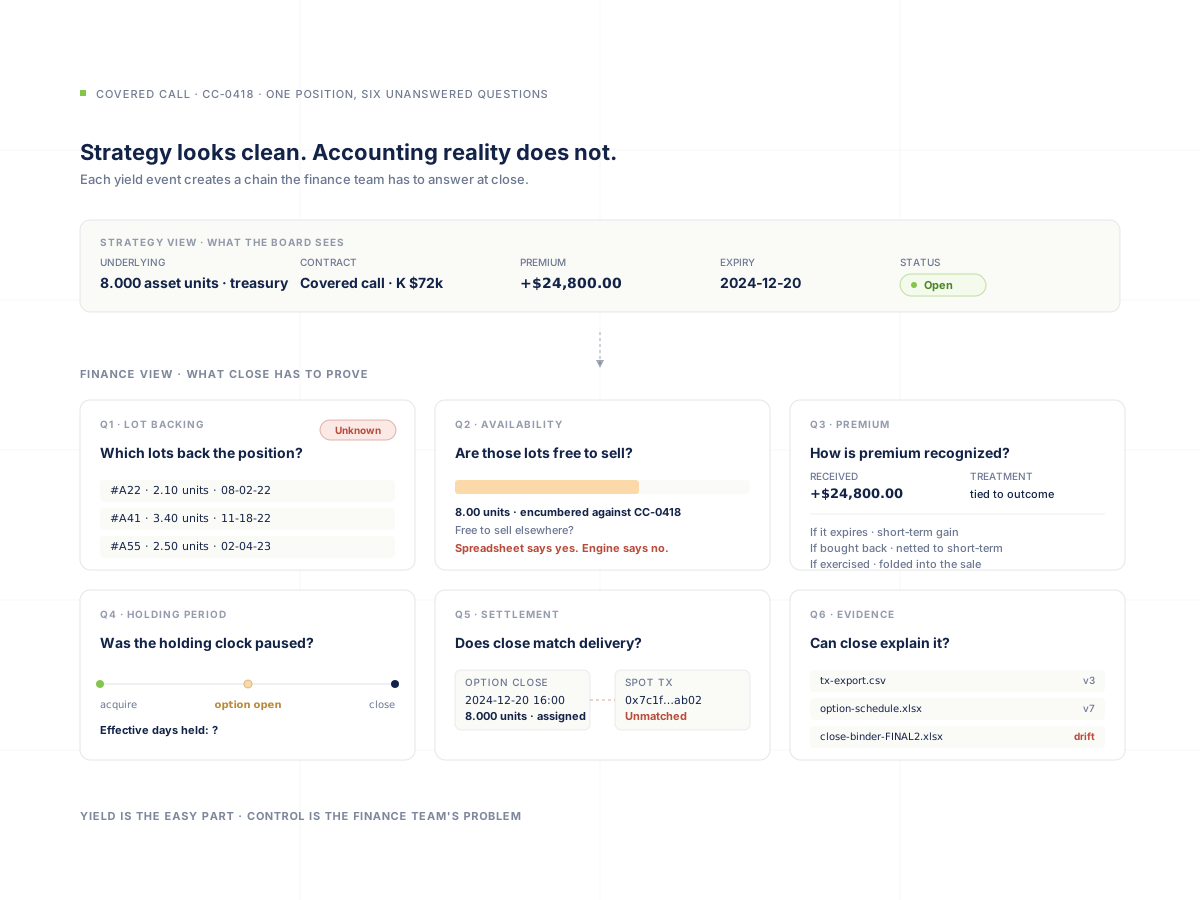
Written options can look clean at the strategy level. A company holds digital assets. It writes covered calls against part of its position. It may write cash-secured puts as part of a broader treasury strategy. Premium is received. Positions expire, are bought back, or are assigned.
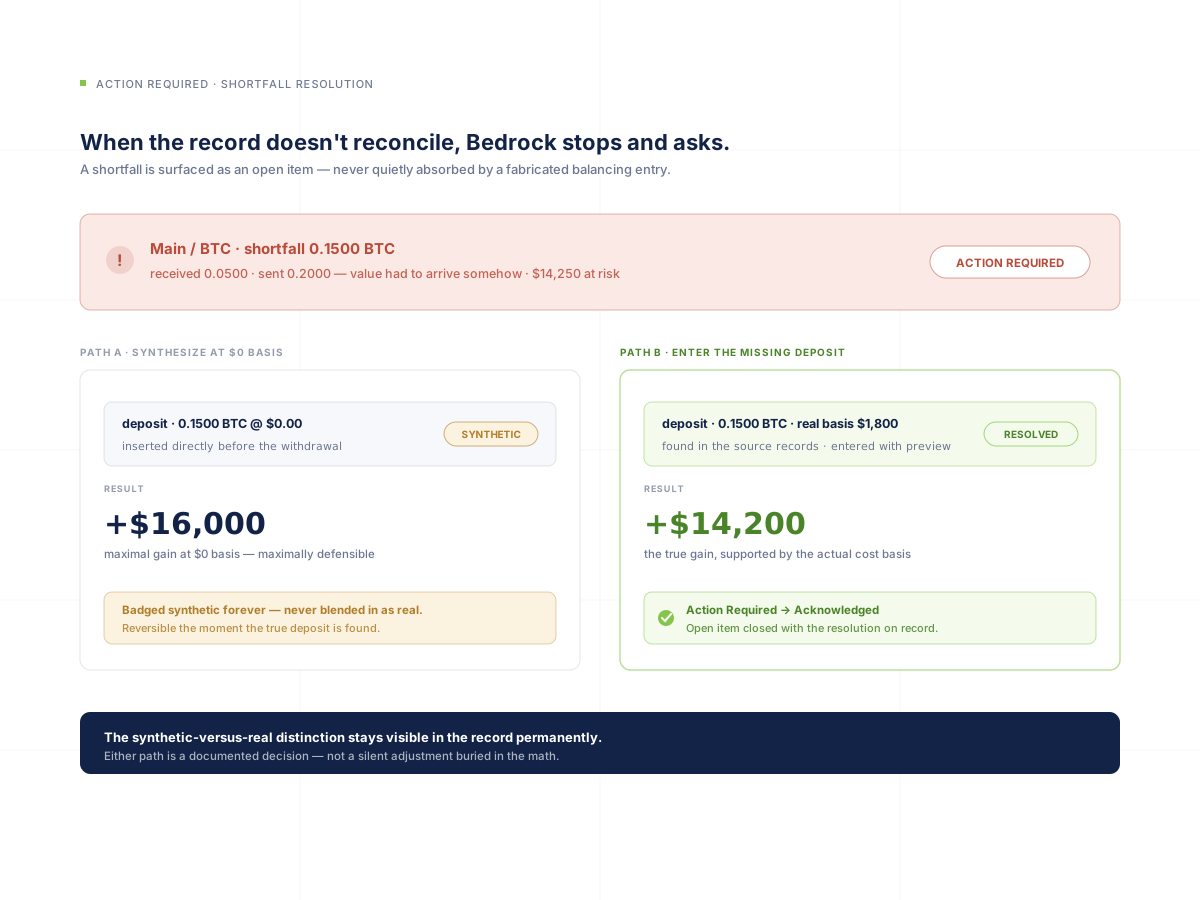
The accounting and tax reality is not that clean. Finance still has to prove how yield activity connects to the underlying lots, restrictions, tax treatment, accounting outputs, and audit evidence.
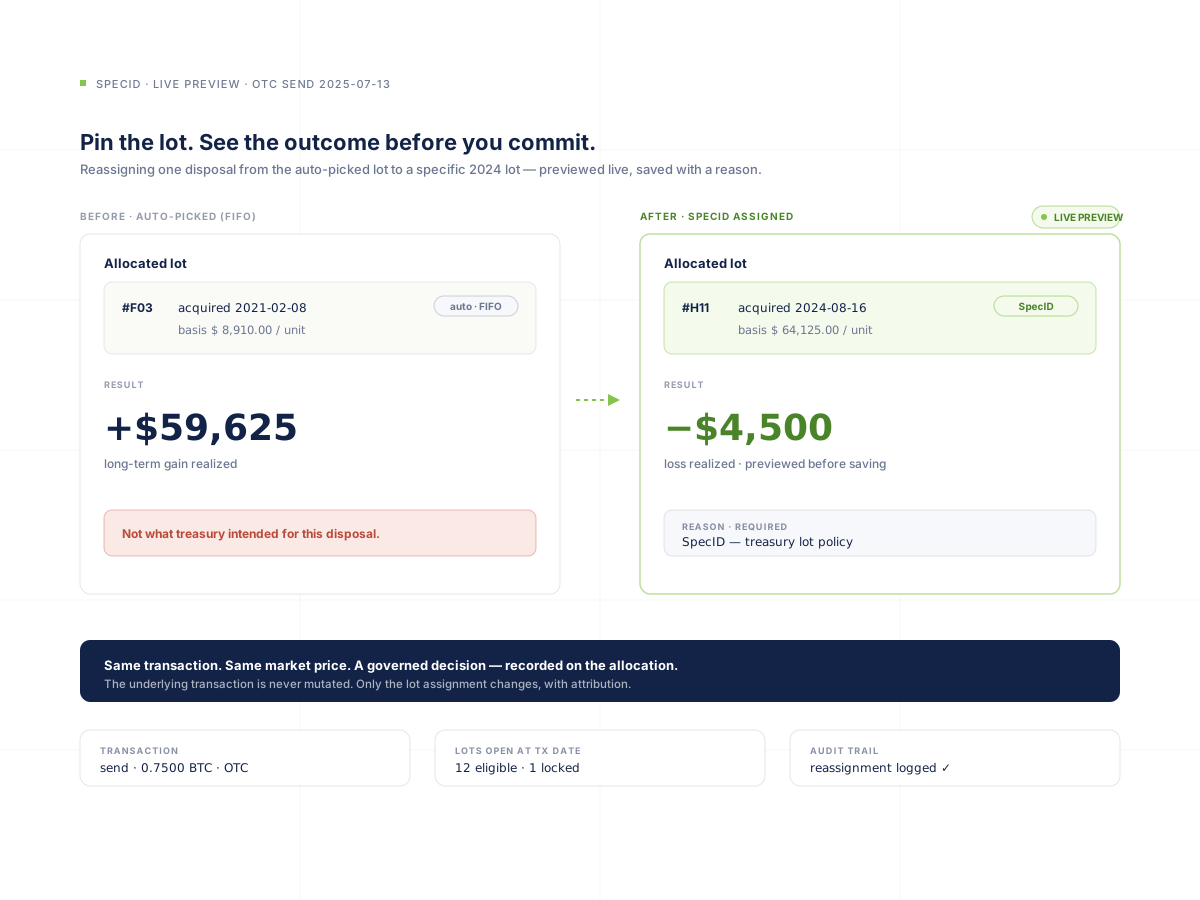
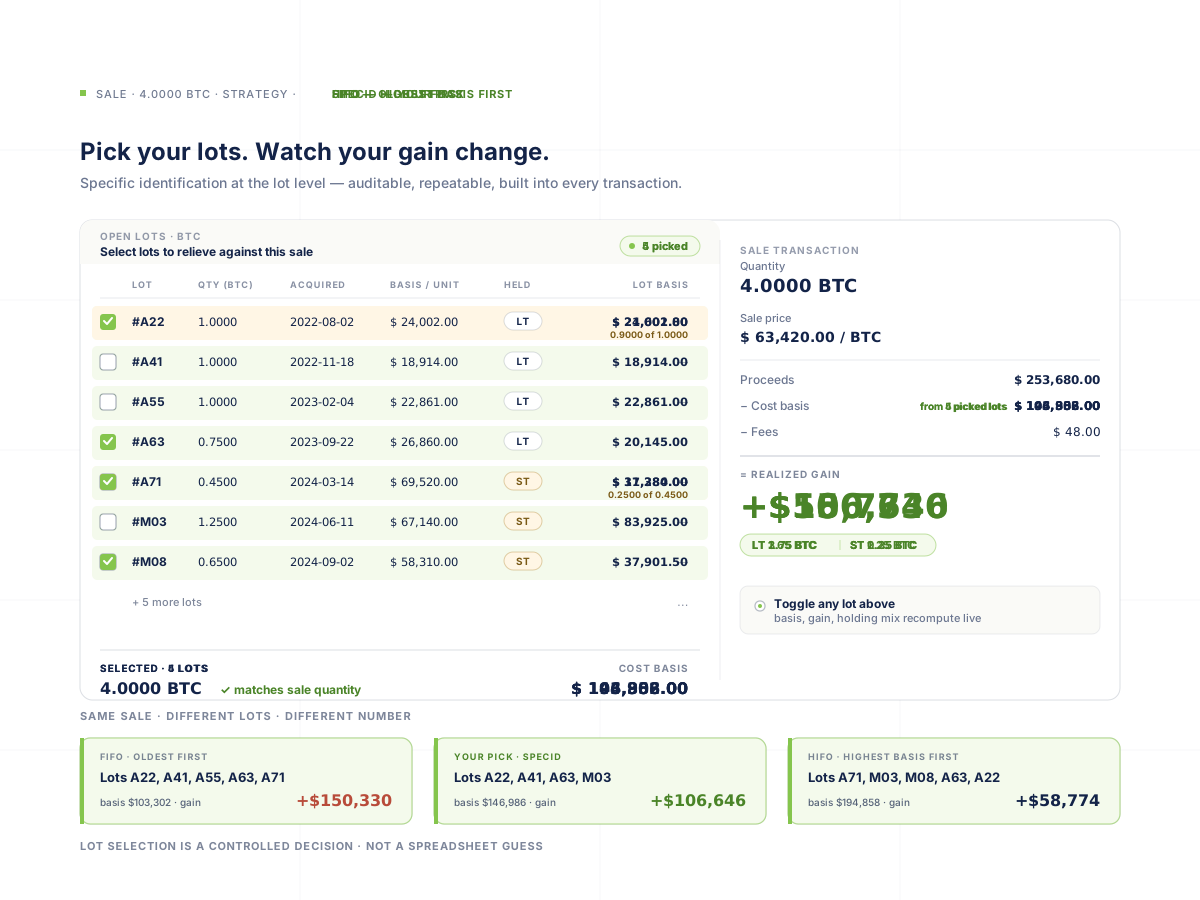
Every option position creates a chain of questions that the finance team has to answer later. Which lots were tied to the position? Were those lots still available for sale or transfer? Did settlement affect a specific lot? Did the option lifecycle affect holding-period analysis? Does premium treatment reconcile with the underlying asset movement? Can the close package explain the full path without rebuilding the story from exports and spreadsheets?
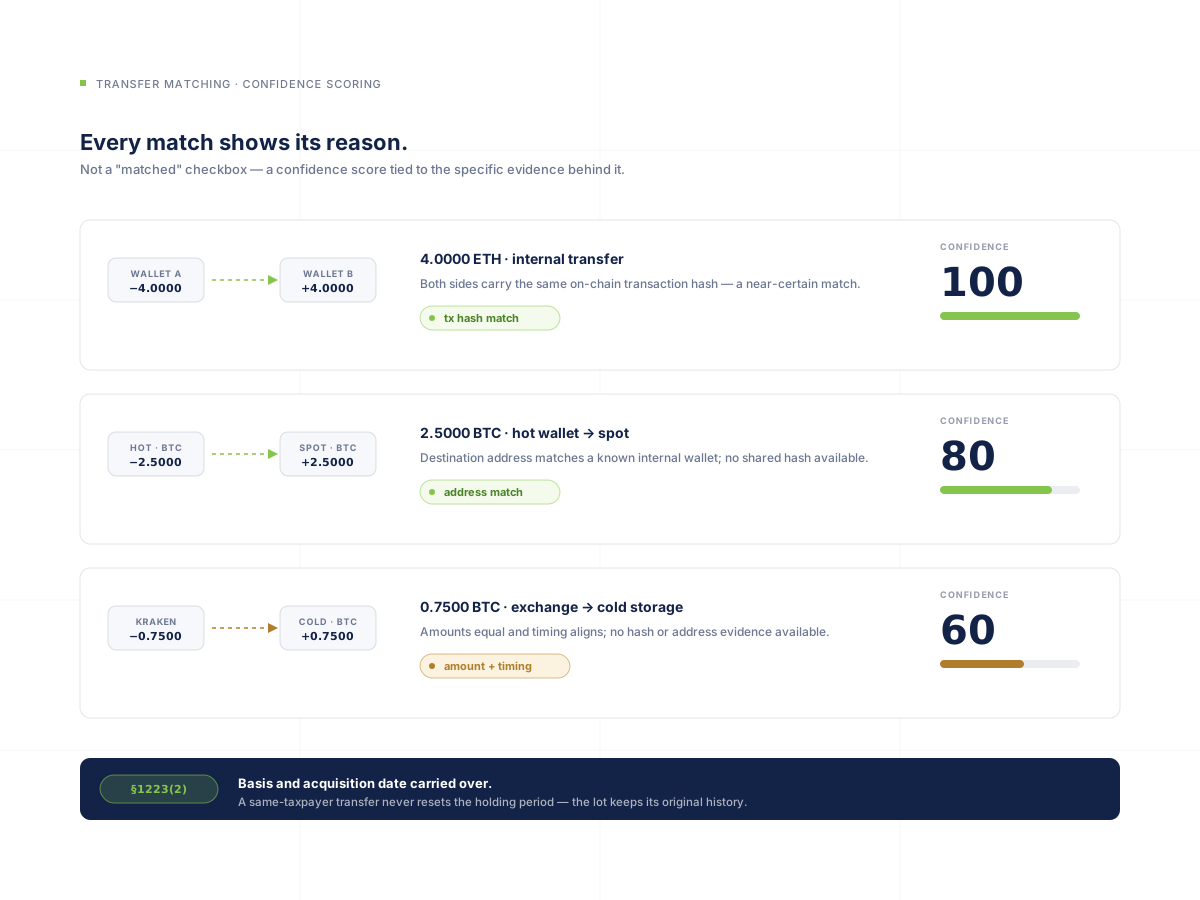
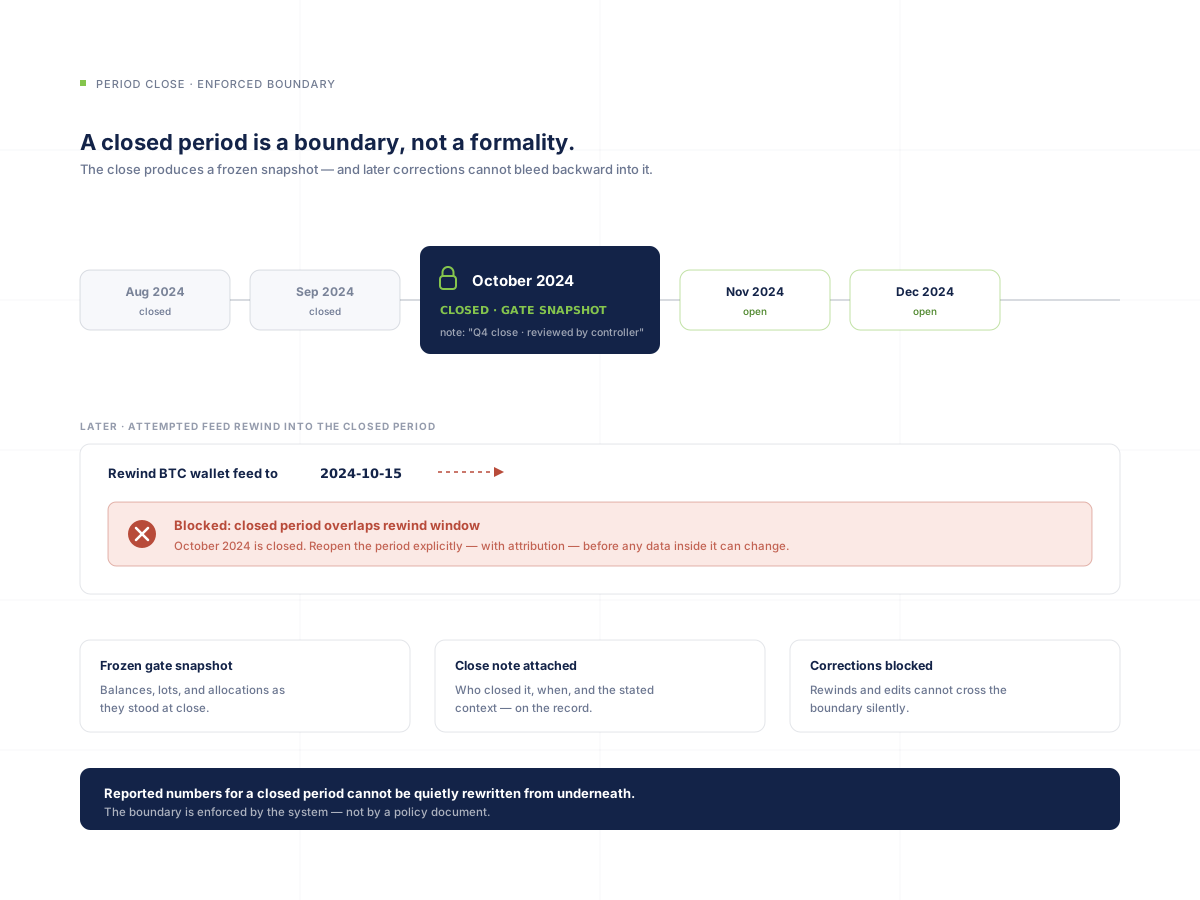
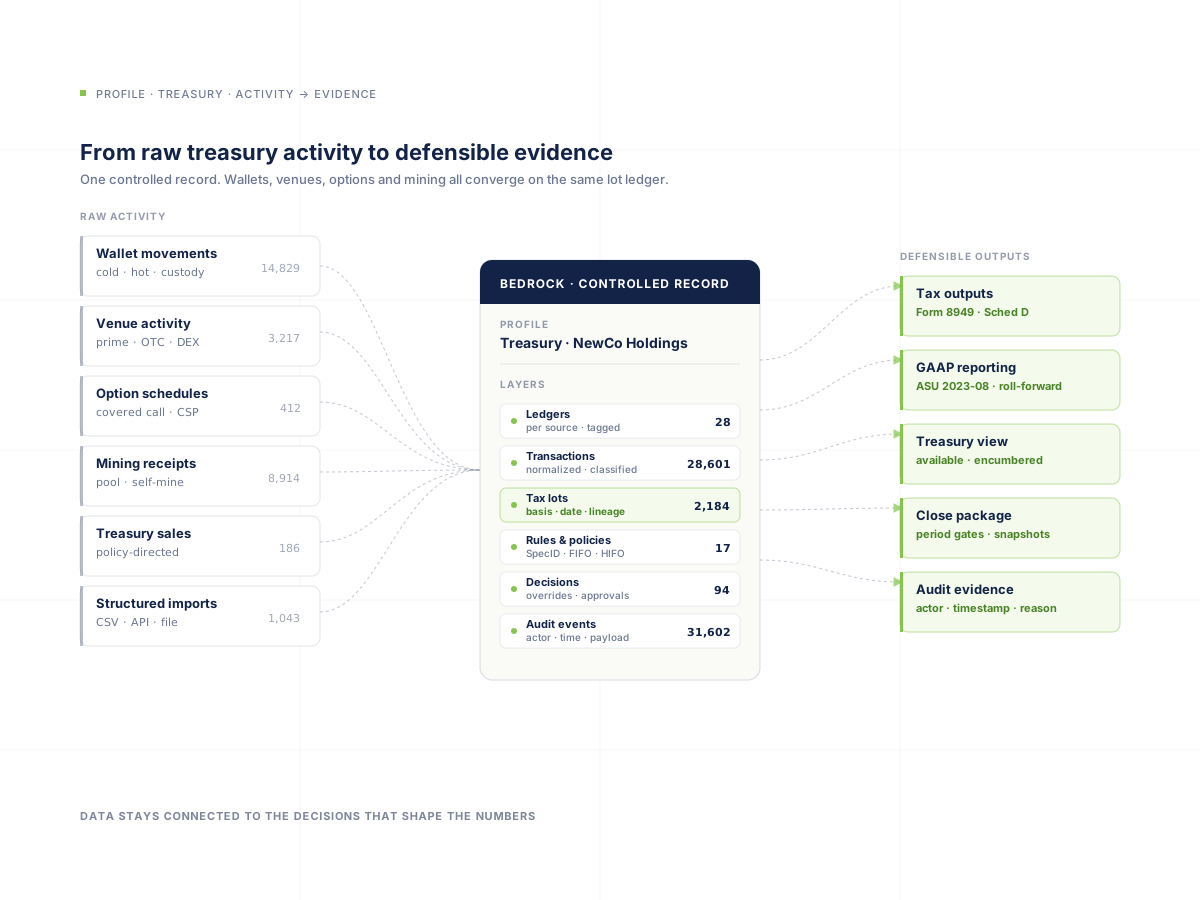
That is where ordinary crypto reporting workflows start to break down. Portfolio dashboards can show balances. Tax tools can produce year-end outputs. Spreadsheets can document a point-in-time assumption. But treasury teams generating yield through options need something more controlled: a record that keeps the option, the lot, the restriction, the settlement event, the accounting view, and the audit trail connected.
Bedrock is built for that operating reality.