What Is Audit-Ready Digital Asset Reporting?

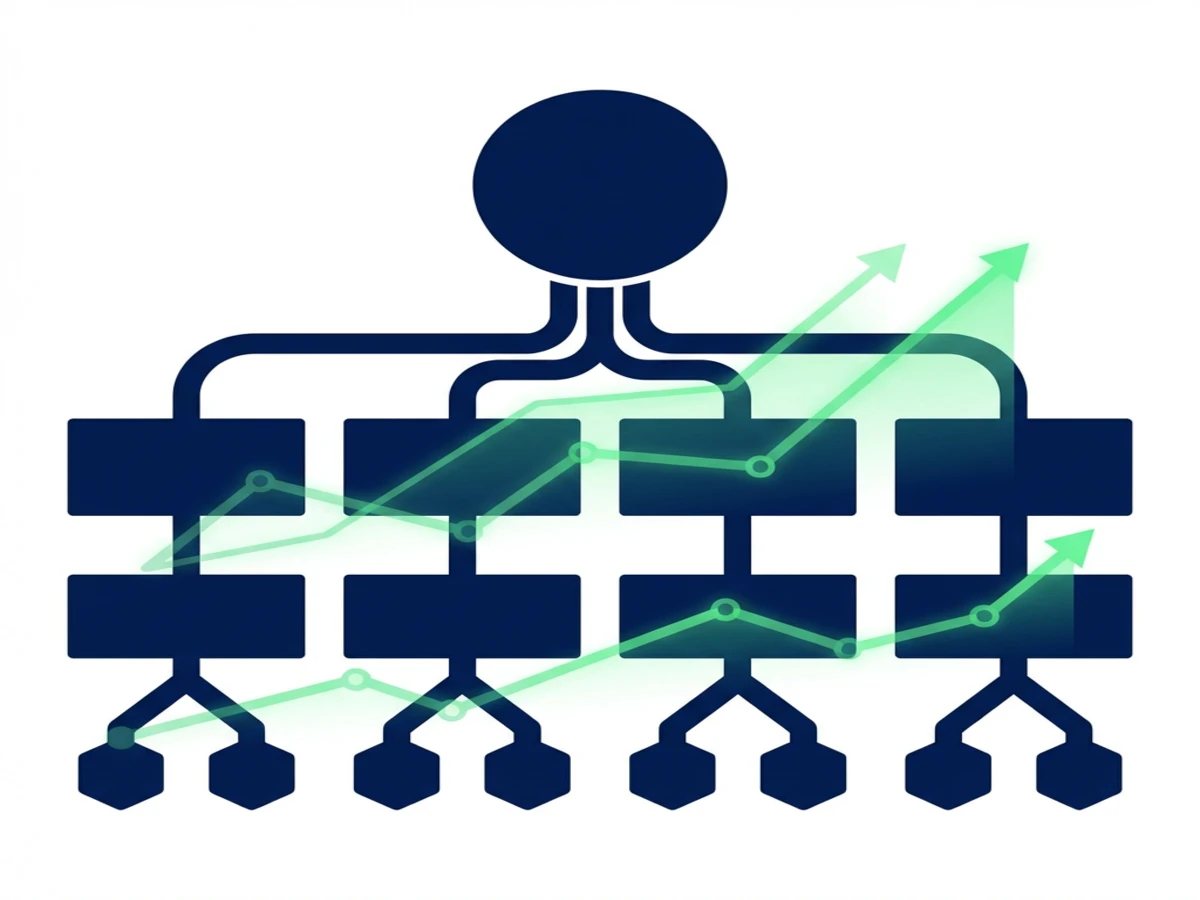
Audit-ready digital asset reporting is reporting built so an accountant, auditor, controller, or reviewer can trace a reported number back to the underlying transactions, transfers, valuations, and classification logic without rebuilding the record by hand.

What Is Audit-Ready Digital Asset Reporting?

Why do weak digital asset reporting workflows fail?

Why do weak digital asset reporting workflows fail?

Weak workflows can produce a summary, but they often fail at the follow-up question. A spreadsheet tie-out or generic export may show balances, gains, or income, yet still leave gaps around transfer history, pricing methodology, smart contract interpretation, and how the reported output was actually constructed.

That becomes expensive when finance teams need support for close, accounting firms need client-ready workpapers, or auditors ask for evidence beyond the first report. Audit-ready reporting is not a prettier export. It is a reporting record that remains explainable when scrutiny increases.

See Audit Workflows

What makes digital asset reporting audit-ready in practice?

What makes digital asset reporting audit-ready in practice?

Audit-ready digital asset reporting usually has five practical qualities:

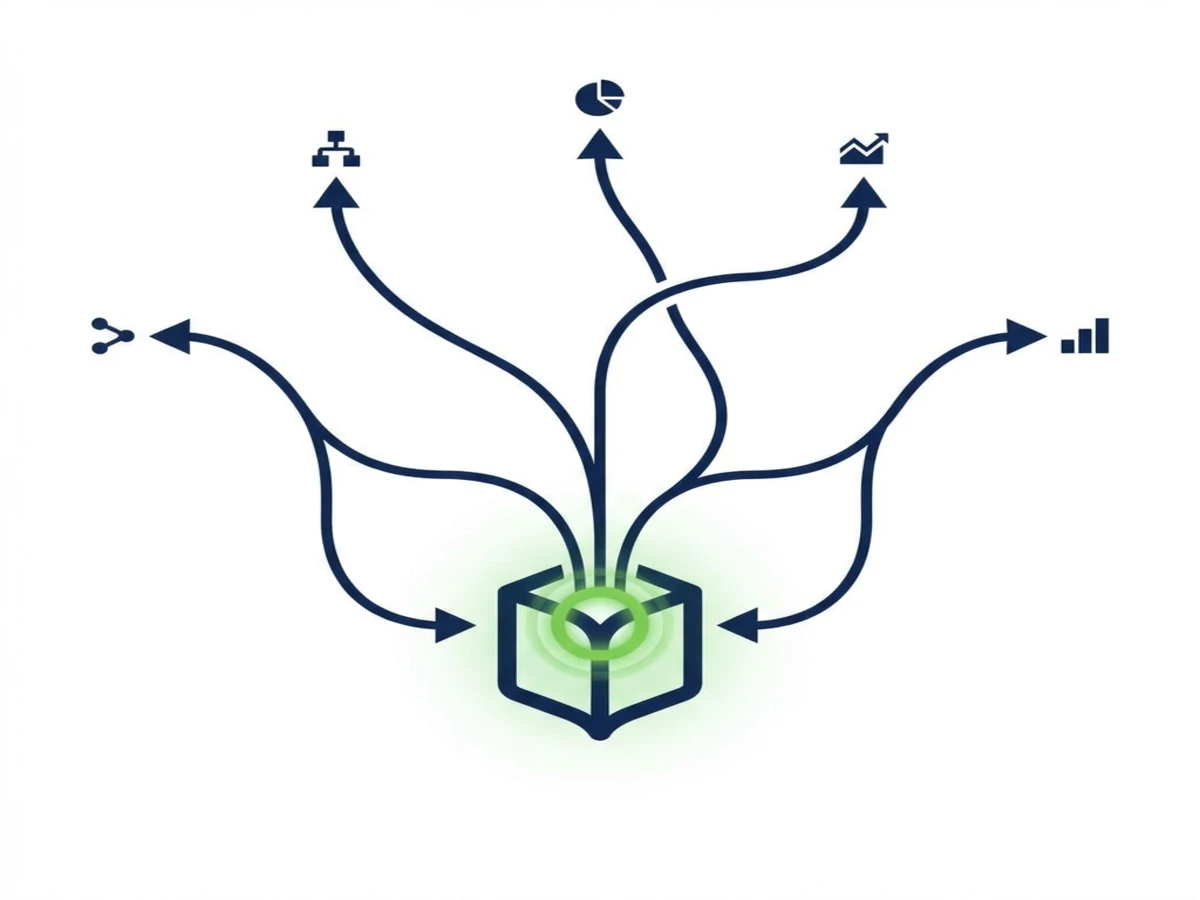
  • Traceability: reported balances and calculations can be followed back to source activity across wallets, exchanges, custodians, and protocols.
  • Reproducibility: the same inputs and logic produce the same result later, even during review or re-testing.
  • Transaction context: transfers, staking, rewards, swaps, fees, and disposals are classified according to what actually happened, not flattened into generic inflows and outflows.
  • Valuation and cost basis support: price sourcing, timing, and lot continuity are preserved well enough to explain the output.
  • Review readiness: the record is structured for accounting, close, and audit workflows instead of requiring manual reconstruction after the fact.

That is why teams evaluating audit-ready reporting often also review the surrounding platform infrastructure and the underlying accounting workflow, not just the final report template.

Explore the Platform

How does NODE40 fit into an audit-ready reporting workflow?

How does NODE40 fit into an audit-ready reporting workflow?

NODE40 is built for the point where digital asset reporting has to hold up in real finance and review environments. The platform combines on-chain and off-chain records, preserves transaction-level context, tracks cost basis continuity, and helps teams move from raw activity to reporting that is easier to explain and defend.

For teams focused on source-to-output evidence, the strongest next stop is Audit. For teams focused on reconciled books and close support, Accounting shows how NODE40 approaches the underlying record. For the broader commercial picture, Platform Overview explains how those pieces fit together.

Learn About Accounting

Who needs audit-ready digital asset reporting?

Who needs audit-ready digital asset reporting?

This matters most for accounting firms, fund finance teams, treasury groups, exchanges, and institutional operators whose reporting has to survive review by someone else. If the workflow depends on manual cleanup, undocumented assumptions, or one person remembering what happened, the reporting is usually not audit-ready yet.

Teams operating in higher-volume, protocol-heavy, or stakeholder-facing environments benefit the most because the cost of a weak record compounds quickly during month-end close, tax preparation, diligence, and external audit support.